When people picture the battery circular economy, they usually picture two things: a factory making batteries and a plant pulling them apart at the end of life. That's a fair starting point, but it's only two links in a much longer chain.
Around those two big, visible steps, a cluster of smaller, specialised industries has been quietly taking shape across Australia. None of them make headlines the way a new recycling plant does. But together, they're what make battery recycling and reuse safe, efficient, and scalable, and they're creating a wave of jobs and skills that didn't exist a decade ago.
Here's a look at what's growing around the edges of the industry and why it matters as much as what happens at the centre.
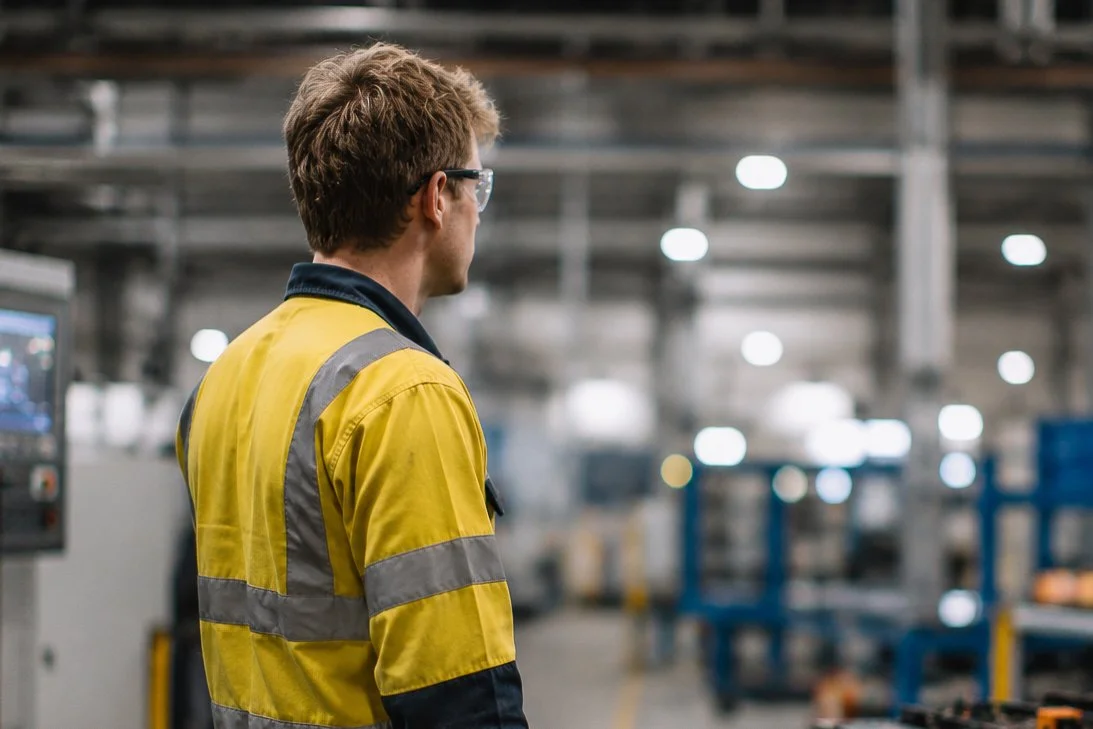
Packaging batteries safely for storage and transport
Before a battery can be recycled or reused, it needs safe transport from the end user to the recycler. Minimising fire risk and leakages in transit is the key priority, which is why a specialist packaging and container sector has emerged to build purpose-designed storage and transport solutions for both lead-acid and lithium batteries.
Designing containers that can meet dangerous goods standards, contain thermal events, and suit different battery chemistries calls for engineers, compliance specialists and logistics planners who understand battery behaviour, not just packaging. ABRI's coverage of the new national guide for used lithium battery packaging is a good starting point if you handle batteries in your business.
Knowing where every battery has been: track and trace
A battery's life doesn't end when it stops being useful, and increasingly, regulators and industry want to know exactly where it goes next. Track and trace systems, digital product passports and supply chain data platforms are becoming a secondary industry in their own right, giving governments, manufacturers and recyclers visibility over batteries from the point of sale to end of life.
This kind of traceability is central to supporting safe handling throughout the lifecycle, curbing illegal export and proving where recovered materials came from. It's also generating a new category of product development and jobs in Australia, in data systems, software, and compliance, that sit squarely inside the battery industry. ABRI has written more on this in Traceability, safety and the battery circular economy.
Teaching machines to sort: AI-powered sorting technology
Removing batteries from wastestreams and sorting batteries by chemistry is one of the trickiest and most dangerous steps in the recovery process, and manual sorting doesn't scale safely to meet growing need. That gap is being filled by Australian developers building AI and computer vision systems that can identify battery types and condition at speed, reducing the risk to workers and improving how much material is recovered rather than lost to landfill or, worse, fire.
This is a new business category for the sector: machine learning engineers, robotics technicians and process automation specialists working alongside recycling operators. It's a useful reminder that the battery circular economy needs computer scientists just as much as it needs chemists.
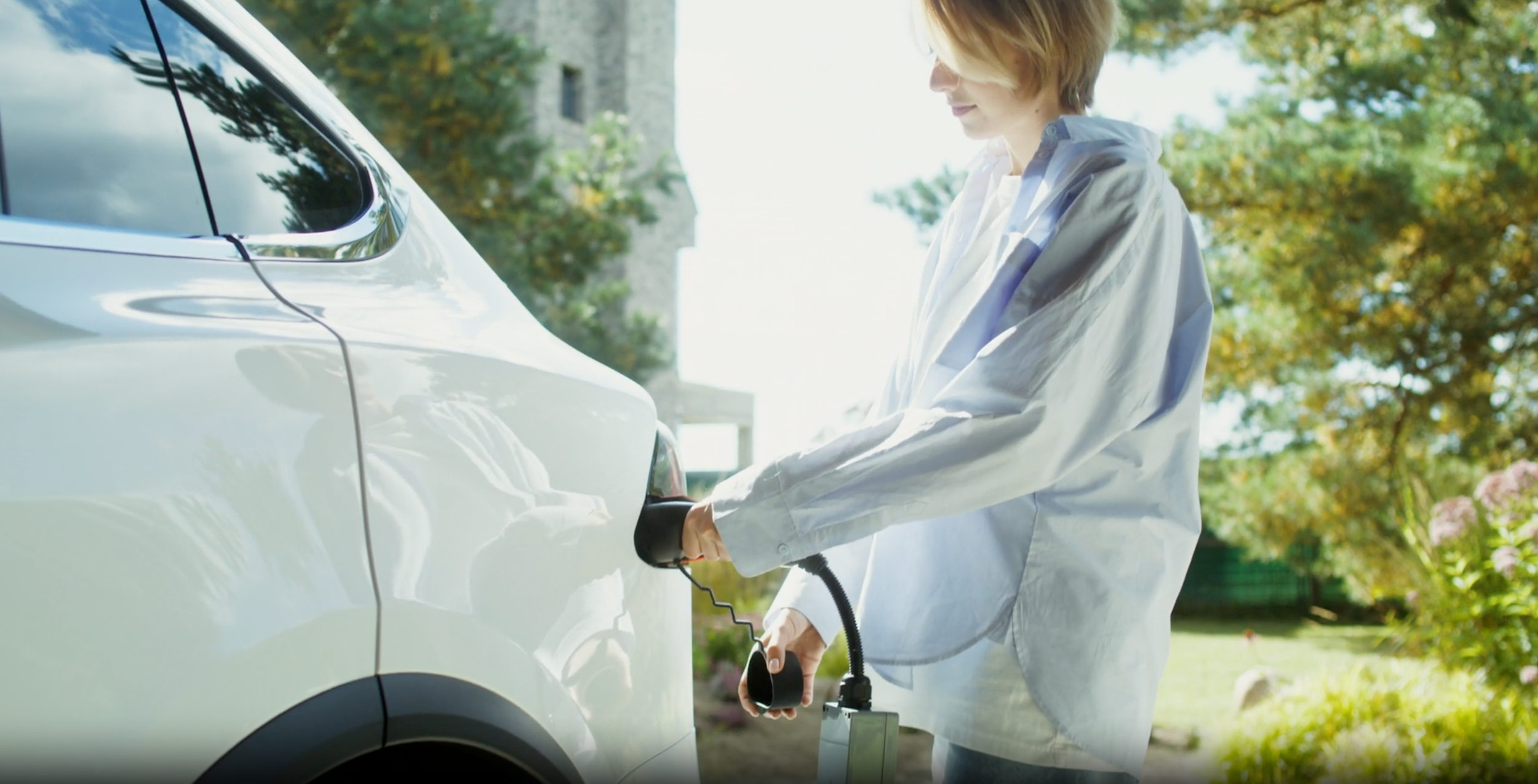
Electric vehicle charging. Source: Artlist/stock
Giving electric vehicle batteries a second life
Not every retired EV battery is ready for the recycler. Many still have plenty of useful capacity left for less demanding jobs, like stationary energy storage. That's driven the emergence of dedicated EV battery reuse and remanufacturing hubs, with facilities now operating or under development in Victoria, South Australia, Queensland and Western Australia, testing, grading, and rebuilding retired packs for a second working life.
Work is underway on standards and practical pathways for lithium battery repair, reuse and remanufacturing to support safety and support consumer confidence. Focusing on electric vehicle (EV) batteries, Powering Australia has engaged Ratel Consulting LLC to prepare insights on standards and regulatory lessons from overseas.
Remanufacturing hubs need battery diagnostics and grading technicians, high-voltage-trained fitters, and engineers who assess and route each pack to its next life, a workforce that barely existed in Australia five years ago. ABRI's analysis of the sector's growth potential puts the scale of that opportunity in context: battery materials recovery already supports around 19,450 jobs nationally, a figure projected to top 34,600 by 2050 as more EVs reach end of first life.
The data keeping firefighters safe
None of this works without solving for fire risk and Australia's emergency services are doing world-leading work to build the evidence base. Fire and Rescue NSW's SARET research program recently released Quantification and comparison of lithium-ion battery fire hazards, which found that lithium-ion related fires attended by FRNSW rose 66 per cent in a single year, with incidents climbing from 1 in 76 fires to 1 in 40 by early 2024.
The report's testing on cell chemistry, extinguishment methods and decontamination is now shaping training for firefighters across the country. This is a highly specialised skill set that the battery economy depends on but rarely sees.
As is the world leading work by EV FireSafe, who has developed the world's only detailed and verified global database of battery fires in cars, buses and trucks, as well as specialist EVs in aviation, mining, military and airports. EV FireSafe shares their global knowledge with the aim of enhancing safety for everyone working around EVs, with a focus on emergency responders. Their website is the central point for sharing information and they arrange specialist training in EV emergency response, fire investigation and safer EV charging at evfiresafe.training.
A bigger workforce than the name suggests
Line up those five industries and each one has generated its own specialist workforce: packaging engineers, data and traceability specialists, AI and robotics technicians, battery diagnostics and remanufacturing crews, fire researchers and emergency responders. None of them would show up in a "battery recycling" job title, yet all of them are the battery circular economy at work.
When talking about the industry, it’s worth keeping in mind for workforce planning and promoting to government or investors about where this industry is heading. Recycling and manufacturing got the industry its name. These support industries are what will keep it growing.
Read more on ABRI's outlook for the sector, and see how the wider membership contributes across every part of this chain on Our Members.